[ad_1]
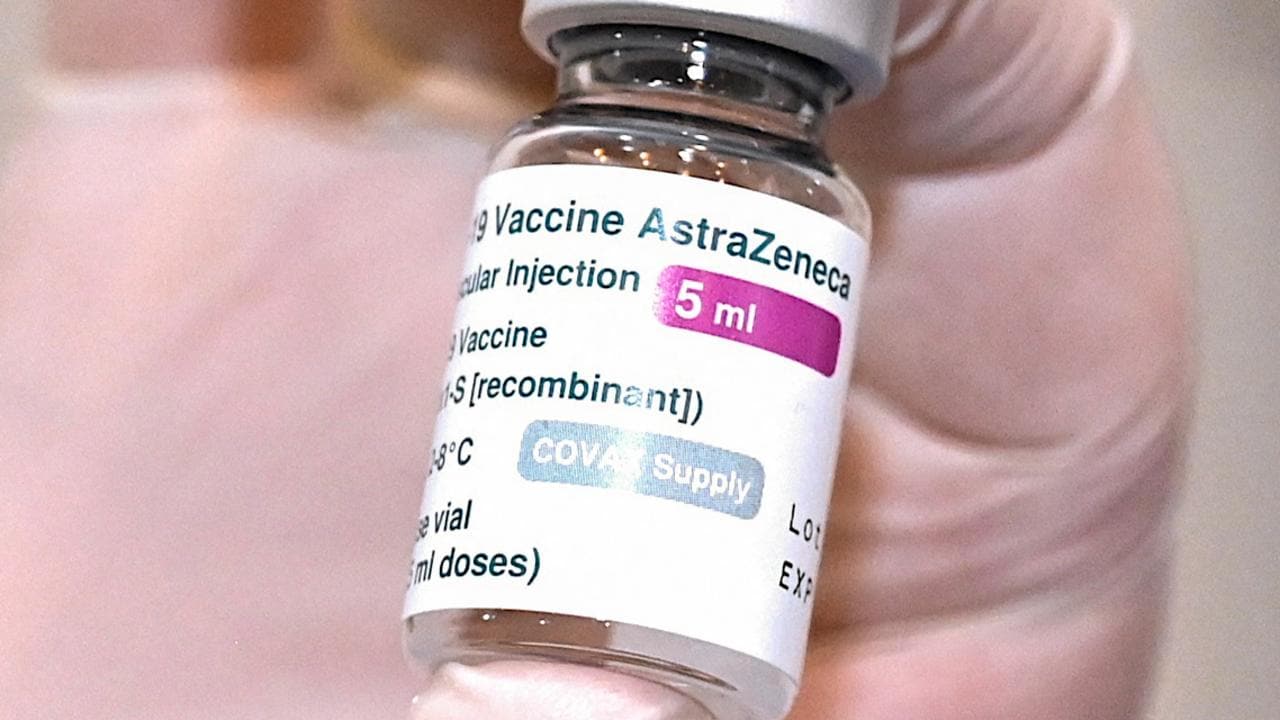
Health authorities will delay providing the AstraZeneca vaccine to those who are sensitive to anaphylactic responses after four Queensland recipients had alarming allergic reactions to the jab in the last 48 hours.
Health Minister Yvette D’Ath said there will now be “precautionary measures” to advise those who are anaphylactic to delay getting the jab while those who proceed to get the vaccine who suffer from these conditions will be observed in hospitals afterwards.
“I want to reassure people that we have absolute confidence in our vaccines in Australia, as the Therapeutic Goods Administration has said all along, that there is a risk category there in relation to people who have allergic reactions,” she told reporters on Wednesday morning.
“We expected this, we are prepared for this but we do want to make sure because we are seeing a number of people react to the AstraZeneca that we are letting people know about that and monitoring them for a longer period to make sure that everyone is safe.”
The four cases to suffer the alarming response were shared between Ipswich, Toowoomba and Bundaberg, with all having a history of severe allergic reactions, according to Director-General Dr John Wakefield.
“Our current policy and the national TGA policy on this is that it is fine for people to have the vaccination unless they have a history of anaphylaxis to products that are in the vaccine itself, so some of the components of the vaccine,” he said.
“That is the national guidance and I would remind everybody that there has been millions of doses. Millions of doses of AstraZeneca around the world, safely used. I will be getting my own when it’s my turn.”
The nation’s chief health officers were in Canberra on Wednesday for a scheduled meeting about the virus and the vaccine rollout, where the issue of the reactions will also be discussed.
A recipient also had an allergic reaction to the Pfizer vaccine earlier in the rollout.
“The right thing for us to do is preserve the trust of Queenslanders and just add that extra blanket of safety, so it is nothing that anybody needs to have serious concerns about,” Dr Wakefield said.
“We are just making sure that we are cautious.”
The director-general said this jump in reactions comes after four weeks of vaccines being administered, following 10 million jabs provided in the United Kingdom.
“We expect with vaccinations that a small number of people, it is fairly rare but a small number of people will get anaphylaxis,” Dr Wakefield said. “That is not a surprise. We report them and treat them and so on.
“The thing about this vaccination program is, nationally, if you are having the flu vaccine or any other type of vaccine and you have anaphylaxis, it is treated and you will never hear about it. Because there is so much focus on this, appropriately, on this vaccination, you are hearing about every single case that arises.
“So yes, we have had an anaphylaxis with Pfizer and we expect to get more.”
The Sunshine State recorded zero new locally acquired cases on Wednesday but six were detected among overseas travellers in hotel quarantine.
[ad_2]
Source link